
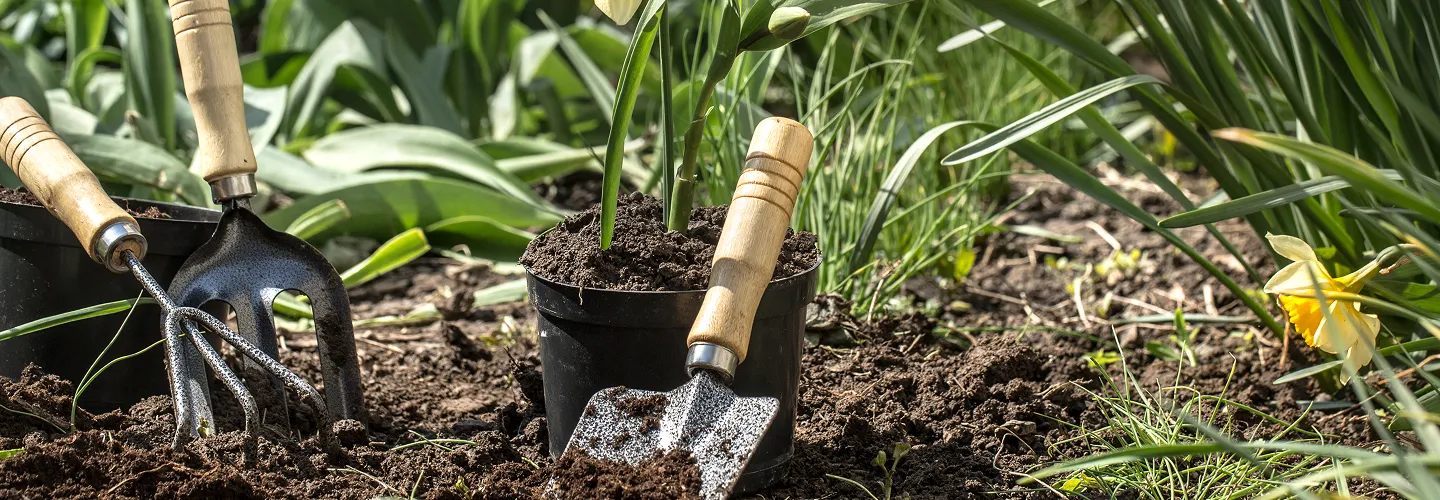
Smithfield Green Waste Disposal Services
Choose our Green Waste Disposal for reliable, environmentally responsible service that keeps your property clean and supports a healthier community.
Get a Free QuoteOur Smithfield Landscaping & Yard Care Services
When to Schedule Green Waste Disposal in Smithfield, Rhode Island – Seasonal Guide
In Smithfield, Rhode Island, the best times to schedule green waste disposal are closely tied to our region’s unique climate and landscape. With cold winters and humid summers, most residents find that late spring and early fall are optimal for clearing yard debris. After the last frost—typically in late April—yards in neighborhoods like Greenville and Esmond begin to thaw, making it easier to collect branches, leaves, and other organic waste left behind by winter storms. Similarly, early autumn is ideal for disposing of fallen leaves and preparing your property for the colder months ahead.
Local environmental factors play a significant role in determining the right timing for green waste removal. For example, areas near Waterman Lake or Deerfield Park often experience higher humidity and denser shade, which can accelerate the decomposition of organic matter and increase the need for regular disposal. Soil type also matters; Smithfield’s mix of loamy and rocky soils can affect how quickly debris breaks down. Additionally, it’s important to stay informed about municipal guidelines and seasonal restrictions, which are often updated on the town’s official website.
Local Factors to Consider for Green Waste Disposal in Smithfield
- Tree density and types of vegetation in your yard
- Proximity to shaded areas or bodies of water (e.g., Waterman Lake)
- Typical precipitation patterns and risk of drought
- Local frost dates and seasonal temperature shifts
- Terrain and soil composition (loamy vs. rocky)
- Municipal collection schedules and disposal restrictions
Benefits of Green Waste Disposal in Smithfield

Eco-Friendly Landscaping Solutions
Efficient Green Waste Removal
Promotes Healthy Garden Growth
Reduces Landfill Waste
Supports Local Sustainability
Convenient Scheduling Options
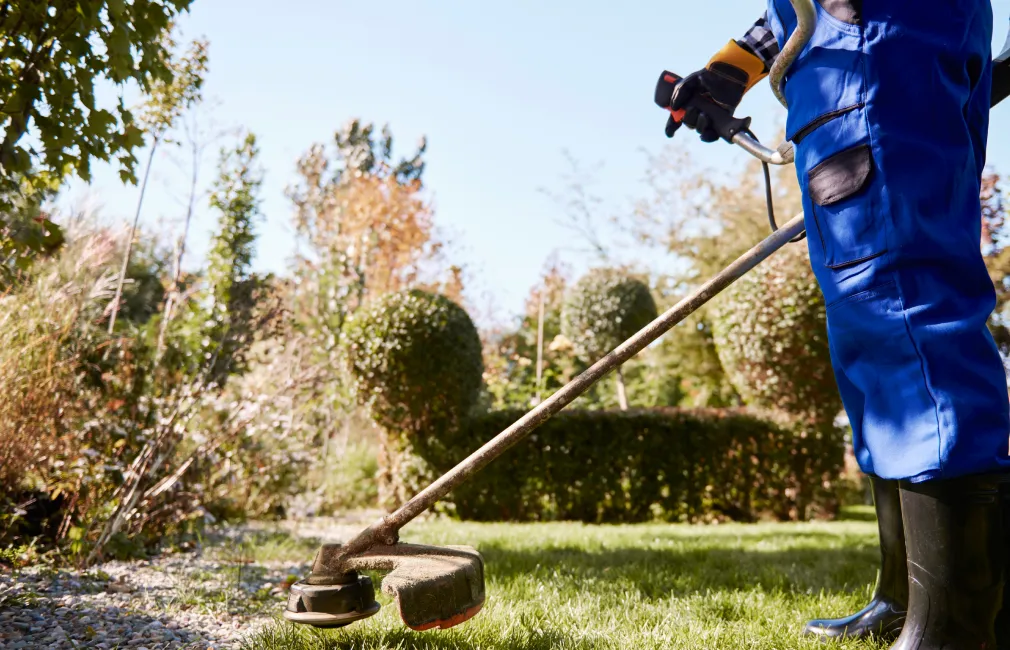
Smithfield Green Waste Disposal Types

Grass Clippings
-
Tree Branches
-
Shrub Prunings
-
Leaves and Foliage
-
Weeds and Garden Debris
-
Hedge Trimmings
-
Wood Chips
Our Green Waste Disposal Process
Collection of Green Waste
Sorting and Separation
Transport to Disposal Facility
Eco-Friendly Processing
Why Choose Smithfield Landscape Services
-
Smithfield Homeowners Trust Us
-
Expert Lawn Maintenance
-
Reliable Scheduling
-
Competitive Pricing
-
Professional Team
-
Satisfaction Guarantee
-
Personalized Service
Smithfield’s Green Waste Collection Schedule, Accepted Materials, and Disposal Protocols
Green waste disposal in Smithfield is governed by a structured municipal collection program designed to ensure environmental compliance and efficient service. Weekly curbside pickup occurs every Thursday from April through November, with residents required to use biodegradable paper bags or reusable bins (32-gallon maximum) for leaves, grass clippings, and brush under 4 feet in length. The use of plastic bags and disposal of branches over 4 inches in diameter are strictly prohibited. All green waste must be placed curbside by 7:00 AM on collection day. For larger debris or off-schedule disposal, residents may utilize the town’s designated drop-off facility, which operates Monday through Saturday, 8:00 AM to 3:00 PM. Adherence to these protocols helps prevent stormwater contamination and supports Smithfield’s MS4 permit obligations under the Clean Water Act.
Smithfield RI Department of Public Works
64 Farnum Pike, Smithfield, RI 02917
Phone: (401) 233-1034
Official Website: Smithfield RI Department of Public Works
Soil Series and Drainage Considerations for Green Waste in Smithfield
Smithfield’s landscape is characterized by Inceptisols and Udults, with prevalent soil series such as Sutton fine sandy loam and Ridgebury fine sandy loam, as identified by the USDA Web Soil Survey. These soils are moderately acidic (pH 5.5-6.5) and often poorly drained, with seasonal water tables at 12-18 inches. When managing green waste, it is essential to avoid stockpiling debris in low-lying or wetland-adjacent areas to prevent nutrient runoff and soil compaction. Composting on-site should incorporate 2-3 inches of organic matter tilled to a 6-inch depth, and soil testing is recommended every 2-3 years through the University of Rhode Island Cooperative Extension (typical cost: $15-25). Key soil management practices include:
- Avoiding green waste accumulation within 25 feet of wetlands
- Using lime to adjust pH below 6.0
- Ensuring compost piles are located on well-drained, upland sites
Environmental Compliance: Wetland Buffers and Stormwater Protection in Smithfield
Smithfield’s proximity to the Woonasquatucket River, Stillwater Reservoir, and numerous wetlands necessitates strict adherence to environmental regulations for green waste disposal. The town enforces a 25-foot no-disturbance buffer from all wetlands and water bodies, in accordance with the Rhode Island Environmental Rights Act and local ordinances. The MS4 permit, administered by the Rhode Island Department of Environmental Management, prohibits the placement of yard debris in or near storm drains to prevent nutrient and sediment pollution. Residents must:
- Maintain a 25-foot buffer from wetlands for all disposal and composting activities
- Never deposit clippings or leaves in stormwater catch basins
- Use only approved containers for curbside collection
- Report illegal dumping to the town’s code enforcement office
Smithfield RI Code Enforcement
64 Farnum Pike, Smithfield, RI 02917
Phone: (401) 233-1034
Official Website: Smithfield RI Code Enforcement
Equipment Operation Hours and Safety Standards for Green Waste Handling in Smithfield
Smithfield regulates the operation of power equipment for green waste management to minimize noise and ensure public safety. Permitted hours for equipment such as chippers, mowers, and blowers are:
- Monday-Friday: 7:00 AM - 7:00 PM
- Saturday: 8:00 AM - 6:00 PM
- Sunday and holidays: Prohibited All operators must use commercial-grade equipment with functioning mufflers, and noise levels must not exceed 85 decibels at property lines. Personal protective equipment (PPE) is mandatory, including ANSI Z87.1 safety glasses, hearing protection for noise above 85 dB, steel-toed boots, and cut-resistant gloves. When working within 15 feet of public roads or utilities, high-visibility vests and advance warning signage are required. These standards are enforced by the Department of Public Works and the Police Department.
Smithfield RI Police Department
215 Pleasant View Avenue, Smithfield, RI 02917
Phone: (401) 231-2500
Official Website: Smithfield RI Police Department
What Neighborhoods Do We Serve Throughout Smithfield, RI?
- Esmond: Features older residential lots with mature trees and heavy leaf fall, requiring frequent green waste collection and careful management near the Woonasquatucket River buffer zones.
- Greenville: Characterized by larger properties and proximity to Stillwater Reservoir, with poorly drained soils and strict wetland buffer enforcement for all yard waste activities.
- Georgiaville: Includes historic homes and compact lots, with narrow streets that may limit equipment access and necessitate smaller, reusable bins for collection.
- Mountaindale: Contains sloped terrain and mixed woodland, increasing the need for erosion control and proper compost pile placement away from drainage channels.
- Spragueville: Located near conservation areas and featuring newer developments, this area has HOA guidelines that may specify container types and collection practices.
- Apple Valley: Noted for its proximity to protected open space and seasonal flooding, requiring elevated composting sites and strict adherence to stormwater protection measures.
State and Federal Oversight: Rhode Island DEM, EPA Region 1, and University Extension Resources
Green waste disposal in Smithfield is subject to oversight by the Rhode Island Department of Environmental Management (RIDEM), which administers the state’s MS4 stormwater program and enforces the Rhode Island Environmental Rights Act. Federal requirements under the Clean Water Act and EPA Region 1 also apply, particularly regarding stormwater discharge and wetland protection. For technical guidance on composting, soil testing, and plant selection, residents are encouraged to consult the University of Rhode Island Cooperative Extension. These agencies provide:
- MS4 permit compliance resources
- Soil and water testing services
- Educational materials on sustainable yard waste management
- Regulatory updates and enforcement contacts