
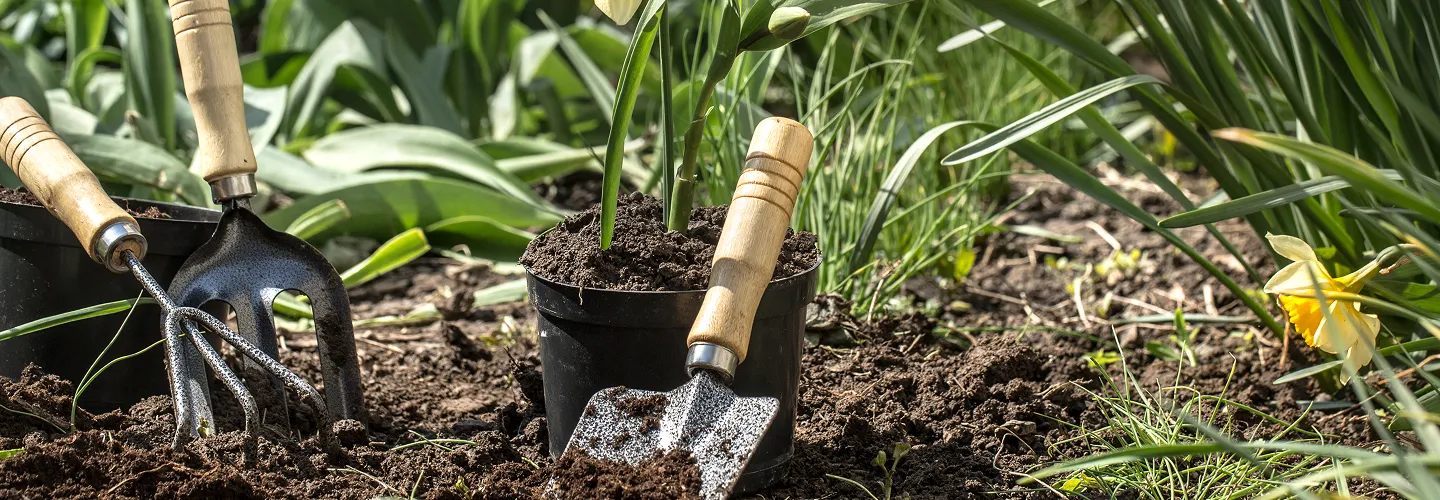
Smithfield Sod Installation Services
Choose our expert sod installation for a hassle-free, vibrant lawn that boosts your home's curb appeal and value—installed quickly and built to last.
Get a Free QuoteOur Smithfield Landscaping & Yard Care Services
When to Schedule Sod Installation in Smithfield, Rhode Island – Seasonal Guide
Choosing the right time for sod installation in Smithfield, Rhode Island, is essential for achieving a healthy, resilient lawn. The best periods are typically late spring through early summer and early fall, when temperatures are moderate and rainfall is more consistent. Smithfield’s climate, with its cold winters and humid summers, means that installing sod during extreme heat or just before the first frost can hinder root establishment. Neighborhoods like Greenville and Esmond, with their mix of shaded and open yards, may require slightly different timing based on sun exposure and soil moisture.
Local environmental factors play a significant role in determining the optimal installation window. For example, areas near Stillwater Reservoir may experience higher humidity and occasional fog, while properties closer to Deerfield Park might have heavier clay soils that retain moisture longer. It’s also important to consider Smithfield’s average last frost date in late April and the potential for summer droughts. For more information on local climate and landscaping resources, visit the Sudbury municipal site.
Local Factors to Consider for Sod Installation in Smithfield
- Tree density and shade coverage, especially in neighborhoods like Mountaindale
- Soil type and drainage, which can vary between historic and newer developments
- Precipitation patterns and risk of summer drought
- Terrain slope and risk of erosion
- Municipal watering restrictions or guidelines
- Proximity to bodies of water, which can affect humidity and soil moisture
Benefits of Sod Installation in Smithfield
Instant Green Lawns
Erosion Control
Weed Reduction
Professional Installation
Locally Sourced Sod
Enhanced Curb Appeal
Smithfield Sod Installation Types

Residential Sod Installation
-
Commercial Sod Installation
-
Sports Field Sod Installation
-
Golf Course Sod Installation
-
Erosion Control Sod Installation
-
New Construction Sod Installation
-
Sod Replacement Services
Our Sod Installation Process
Site Preparation
Soil Grading
Sod Delivery
Sod Laying
Watering and Rolling
Why Choose Smithfield Landscape Services
-
Smithfield Homeowners Trust Us
-
Expert Lawn Maintenance
-
Reliable Scheduling
-
Competitive Pricing
-
Professional Team
-
Satisfaction Guarantee
-
Personalized Service
Smithfield’s Glacial Till Soils and Sod Installation Site Preparation
Smithfield’s predominant soils, as identified by the USDA Web Soil Survey, are Inceptisols and Udults formed from glacial till, often characterized by moderate acidity (pH 5.5–6.5) and variable drainage. Proper sod installation in these soils requires thorough site assessment, including soil testing for pH and compaction. Amendments such as lime are recommended if pH falls below 6.0, and compost should be incorporated at 2–3 inches depth to improve structure. Drainage is a frequent concern, especially in areas with a seasonal water table at 12–18 inches. For best results, core aeration to a depth of 3 inches is advised prior to sod laying. Soil testing services are available through the University of Rhode Island Cooperative Extension, which provides guidance on amendment rates and timing.
Smithfield RI Department of Public Works
64 Farnum Pike, Smithfield, RI 02917
Phone: (401) 233-1034
Official Website: Smithfield RI Department of Public Works
Seasonal Timing and Weather Considerations for Sod Installation in Smithfield
Smithfield is located in USDA Hardiness Zone 6b, with optimal sod installation windows in spring (April 15–May 30) and early fall (August 20–September 30), when soil temperatures range from 50–65°F. Avoid installation during summer heat (June–August) to prevent sod stress and poor root establishment. The National Weather Service Boston/Norton office provides local forecasts to help schedule installation around rainfall and temperature fluctuations. Key timing guidelines include:
- Spring installation: April 15–May 30
- Fall installation: August 20–September 30
- Avoid: June–August (heat stress period)
- Water new sod daily for 2–3 weeks, then reduce frequency Monitoring weather and soil moisture is essential for successful establishment, especially in areas with poorly drained soils.
Municipal Coordination and Sod Disposal Protocols in Smithfield
Sod installation projects in Smithfield must comply with municipal waste and debris management protocols. Sod and soil debris are collected weekly on Thursdays from April through November. Acceptable materials include grass, sod, and brush under 4 feet, placed in biodegradable bags or 32-gallon bins. Plastic bags and branches over 4 inches in diameter are prohibited. For large-scale projects, coordinate with the Department of Public Works for bulk disposal or transfer station access. Equipment operation is permitted:
- Monday–Friday: 7:00 AM–7:00 PM
- Saturday: 8:00 AM–6:00 PM
- Sunday and holidays: Prohibited Noise levels must not exceed 85 decibels at property lines. Permit applications for curb or sidewalk work related to sod installation are processed by the Building & Zoning Department, with a typical review period of 5–10 business days and fees ranging from $25–$75.
Smithfield RI Building & Zoning Department
64 Farnum Pike, Smithfield, RI 02917
Phone: (401) 233-1039
Official Website: Smithfield RI Building & Zoning Department
Environmental Compliance: Wetland Buffers and Stormwater Management in Smithfield
Sod installation near Smithfield’s wetlands, streams, and conservation areas is regulated under the Rhode Island Environmental Rights Act and the town’s MS4 stormwater permit, in accordance with the Clean Water Act. A 25-foot no-disturbance buffer is required from all wetlands, and no fertilizer or pesticide application is permitted within 50 feet of water bodies. Sod clippings and soil must not enter storm drains, as prohibited by MS4 regulations. For properties adjacent to protected areas, consult the Conservation & Land Trust for site-specific requirements.
- Maintain 25-foot wetland buffer
- No fertilizer/pesticide within 50 feet of water
- Prohibit debris in storm drains (MS4 compliance)
- Use erosion control (silt fence, straw wattles) on slopes
Smithfield RI Conservation & Land Trust
64 Farnum Pike, Smithfield, RI 02917
Phone: (401) 233-1034
Official Website: Smithfield RI Conservation & Land Trust
Professional Standards and Safety Protocols for Sod Installation in Smithfield
All sod installation work in Smithfield must adhere to professional safety and equipment standards. Operators are required to use commercial-grade sod cutters and compactors, with blade sharpening every 20–25 hours of use. Personal protective equipment (PPE) is mandatory:
- Eye protection: ANSI Z87.1 safety glasses
- Hearing protection: Earmuffs or plugs for 85+ dB
- Footwear: Steel-toed, non-slip boots
- Gloves: Cut-resistant for handling sod and tools Maintain a 15-foot clearance from overhead utilities and mark all underground services before excavation. For work near public roads, traffic control measures such as cones and advance signage are required. The Department of Public Works provides guidance on traffic safety and equipment operation standards.
What Neighborhoods Do We Serve Throughout Smithfield, RI?
- Esmond: Features older residential lots with compacted glacial till soils and moderate drainage, requiring thorough soil amendment and aeration before sod installation.
- Greenville: Characterized by larger suburban properties, mature trees, and proximity to Stillwater Reservoir, necessitating careful buffer compliance and erosion control.
- Georgiaville: Includes historic homes and smaller lots near Georgiaville Pond, where wetland buffer regulations and stormwater management are critical.
- Mountaindale: Contains sloped sites and mixed woodland, presenting challenges for sod stabilization and runoff control, especially on inclines.
- Apple Valley: Newer developments with improved infrastructure but variable fill soils, often requiring soil testing and pH adjustment for optimal sod rooting.
- Spragueville: Rural area with larger parcels, occasional shallow water tables, and increased need for drainage solutions and compliance with conservation area setbacks.